

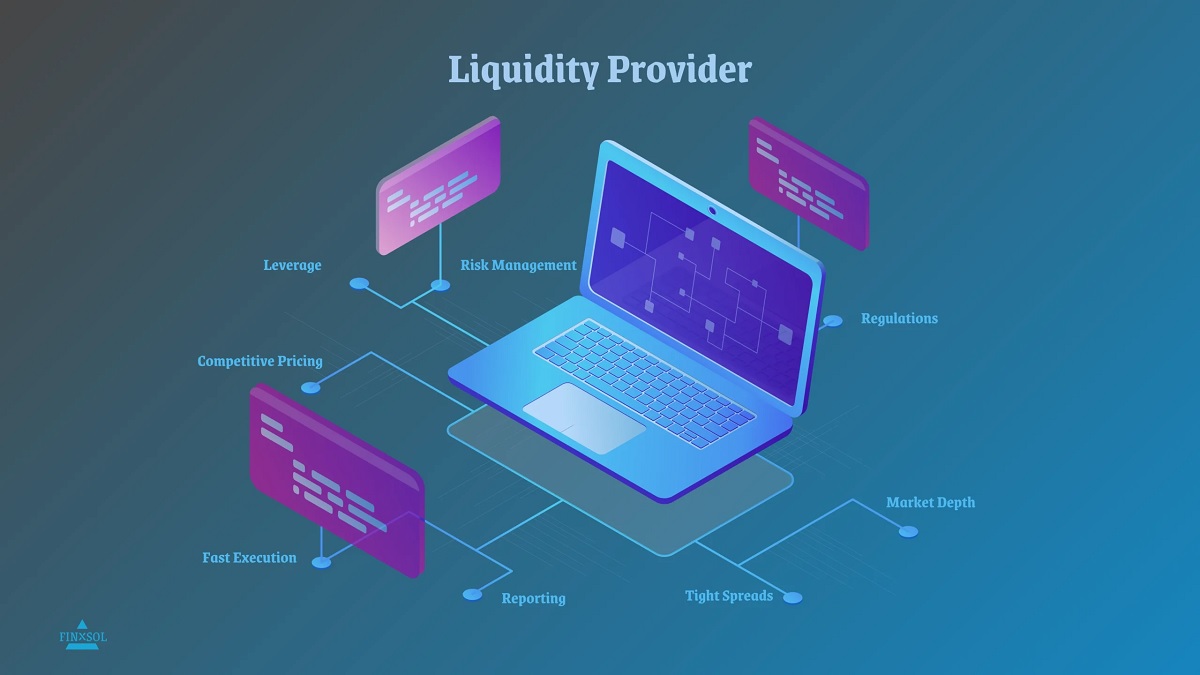
Financial markets have evolved dramatically over the past few decades, shaped by technology, regulatory shifts, and globalization. Today, traders, investors, and institutions navigate a landscape that is faster, more interconnected, and more complex than ever before. At the heart of these dynamics lie three crucial elements: liquidity, leverage, and risk. Understanding how these factors interact is essential for anyone aiming to operate effectively in modern financial markets.
Understanding Liquidity: The Lifeblood of Markets
Liquidity refers to the ease with which an asset can be bought or sold without significantly affecting its price. In highly liquid markets, transactions occur quickly and efficiently, allowing participants to enter and exit positions with minimal friction. Conversely, illiquid markets can lead to larger price swings and higher trading costs, as buyers and sellers struggle to find each other.
The importance of liquidity extends beyond mere convenience. It impacts pricing accuracy, market stability, and investor confidence. For instance, in equity markets, highly liquid stocks generally experience tighter bid-ask spreads, reducing transaction costs for traders. Similarly, in the forex market, major currency pairs such as the EUR/USD benefit from immense liquidity, which facilitates rapid trades and smoother price movements.
Technological advancements have significantly enhanced market liquidity. Electronic trading platforms, algorithmic trading, and global connectivity now allow for nearly instantaneous execution, bridging gaps between buyers and sellers across continents. Yet, these same innovations also introduce complexities, such as flash crashes or temporary liquidity shortages, highlighting the delicate balance that market participants must maintain.
The Role of Leverage in Modern Trading
Leverage is the use of borrowed capital to increase potential returns on an investment. While leverage can amplify gains, it also magnifies losses, making it a double-edged sword. Modern financial markets offer a wide range of leveraged instruments, including margin accounts, derivatives like futures and options, and structured products. These tools provide opportunities for sophisticated traders to optimise their strategies, but they require careful management and a deep understanding of market dynamics.
The allure of leverage lies in its efficiency. By using borrowed funds, investors can access positions larger than their capital would normally allow, potentially enhancing returns. For instance, a trader using a 10:1 leverage ratio can control a £100,000 position with only £10,000 of personal capital. However, this efficiency comes at a cost: if the market moves against the trader, losses are also amplified, potentially exceeding the initial investment.
Regulators closely monitor leverage levels to maintain financial stability. Excessive leverage was a key factor in past market crises, including the 2008 financial collapse, underscoring the importance of responsible use. Investors and traders must balance the desire for higher returns with the potential for significant losses, aligning leverage strategies with risk tolerance and investment objectives.
Risk: Navigating Uncertainty in Financial Markets
Risk is an inherent component of all financial activities. It encompasses the probability of loss due to price fluctuations, interest rate changes, credit defaults, or operational failures. Effective risk management is central to sustainable trading and investing, enabling market participants to protect capital while pursuing growth opportunities.
There are various types of risk, each requiring distinct strategies. Market risk arises from general price movements, affecting stocks, commodities, and currencies alike. Credit risk involves the possibility that a counterparty may default on obligations, while liquidity risk occurs when assets cannot be sold quickly without impacting prices. Operational risk includes failures in systems, processes, or human decision-making. Understanding these risks allows traders to structure portfolios, diversify holdings, and implement hedging techniques to mitigate potential losses.
Modern risk management combines both quantitative and qualitative approaches. Advanced analytics, scenario testing, and stress tests help institutions anticipate potential vulnerabilities. At the individual level, disciplined position sizing, stop-loss orders, and careful monitoring of leveraged positions are essential tools. By embracing a proactive approach to risk, participants can navigate uncertainty without succumbing to fear or impulsive decisions.
The Interplay Between Liquidity, Leverage, and Risk
Liquidity, leverage, and risk are deeply interconnected, and their interplay shapes market behaviour. High liquidity can reduce the risk associated with large trades, but when coupled with excessive leverage, it may encourage speculative behaviour and market volatility. Conversely, illiquid markets may exacerbate the risks of leveraged positions, resulting in sudden and severe losses. Recognizing these relationships is critical for traders, investors, and institutions aiming to maintain resilience in complex environments.
Education and informed decision-making are vital. Platforms that provide real-time data, comprehensive analytics, and robust risk management tools empower participants to make strategic choices. For traders seeking to deepen their understanding and improve execution, reliable resources are invaluable. For those interested in exploring more about trading strategies, tools, and risk management techniques, you can click to learn.
Embracing Modern Market Dynamics
Financial markets will continue to evolve, driven by technological innovation, regulatory changes, and shifting economic conditions. Traders and investors who understand the core drivers—liquidity, leverage, and risk—are better positioned to adapt and thrive. By appreciating the nuances of each element and their interactions, market participants can make informed decisions, optimize strategies, and navigate uncertainty with confidence.
Success in modern financial markets is not merely about chasing profits; it is about cultivating a disciplined approach, understanding the tools at one’s disposal, and embracing continuous learning. The triad of liquidity, leverage, and risk forms the foundation upon which sound trading and investing strategies are built. By integrating knowledge, strategy, and prudent management, individuals and institutions alike can unlock the potential of today’s dynamic financial landscape.
Conclusion
Financial literacy, strategic planning, and risk awareness are more than theoretical concepts—they are practical imperatives. Whether trading equities, commodities, currencies, or derivatives, recognizing the forces that drive market behaviour enables participants to act decisively, respond to volatility, and seize opportunities while safeguarding their capital. The modern trader’s edge lies not in avoiding risk entirely but in mastering it thoughtfully and responsibly.

Comments are closed.